


Here is a practical guide covering everything from handling the boat to long-term care:
Usage Tips for Aluminum Fishing Boats
The "Three Checks" Before Launching
Check the Hull: Walk around the boat and inspect the bottom and gunwales for any obvious bumps, scratches, or deformation. Crucially, double-check that the drain plug (bottom screw) is securely tightened—this is the most common oversight for beginners.
Check the Power System: Inspect the outboard motor's oil level and fuel lines for aging or leaks. Also, make sure there are no fishing lines or debris tangled around the propeller.
Check the Battery: Ensure the battery is fully charged and that the terminals are tight and free of corrosion.
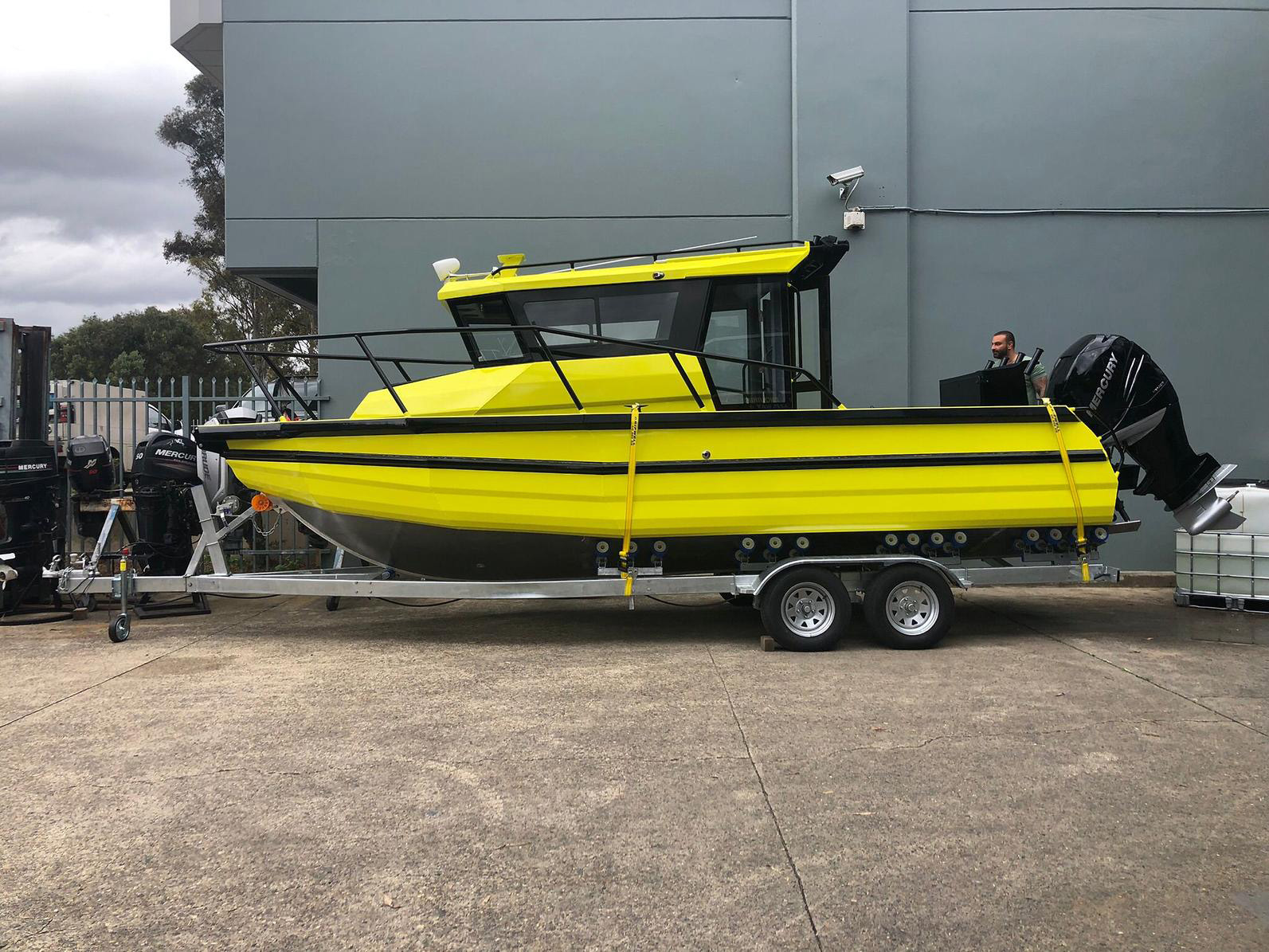
Navigation & Fishing Precautions
Weight Distribution: Because aluminum boats are lightweight, they are highly sensitive to weight distribution. Keep passengers and gear evenly distributed; avoid crowding everyone at the bow or on one side, as this can cause severe listing or even capsizing.
Shallow Water Advantage: Aluminum boats have a shallow draft, making them perfect for fishing in rocky areas or shallows. However, exercise caution when beaching at high speeds or running aground during low tide. Although aluminum has good ductility, violent impacts with hard rocks can still cause dents.
Protect the Welds: When using lead sinkers or metal tools while fishing, avoid striking the hull floor directly. This prevents damaging the protective oxide layer or coating.
Docking & Trailering
Slow Down: Reduce speed well in advance when approaching the shore or a dock. While aluminum is tough, high-speed collisions with docks can still deform the hull.
Loading onto Trailer: If using a trailer, ensure the rollers or bunks are correctly positioned to prevent excessive pressure on specific spots, which could dent the bottom.

